
enviar e-mail info@xinhuatextile.com
Precisa de ajuda?+86 -13805995216
enviar e-mail info@xinhuatextile.com
Precisa de ajuda?+86 -13805995216
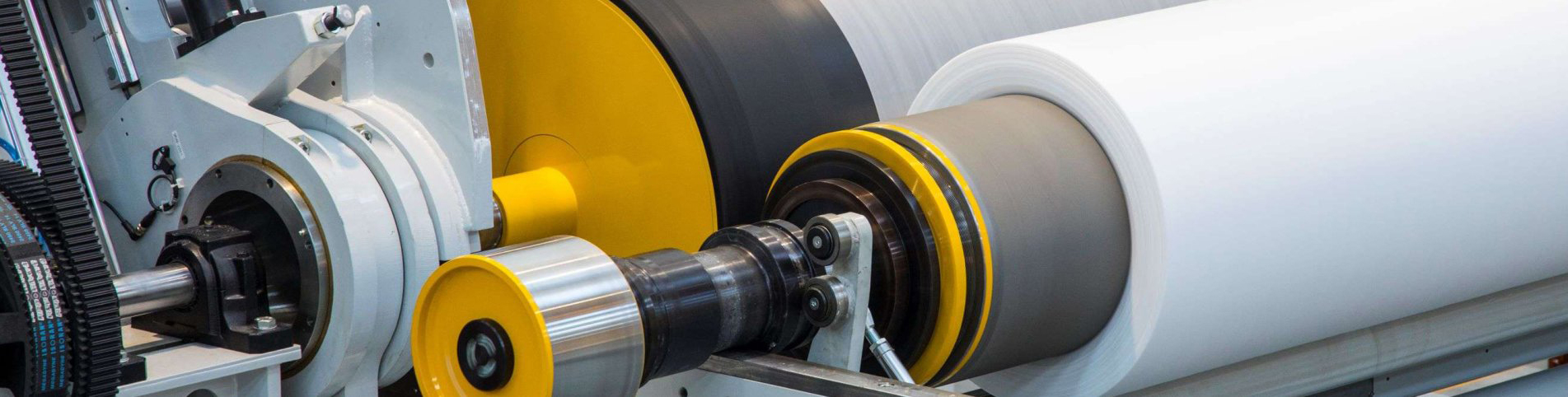
O tecido não tecido é um material plano e poroso, em forma de folha, produzido diretamente a partir de fibras dispersas, plástico fundido ou filmes plásticos. Ao contrário dos processos tradicionais de fiação ou tecelagem, esses materiais são unidos por meios mecânicos, térmicos ou químicos.
Esses processos de fabricação distintos dão origem a vários tipos de tecidos não tecidos:
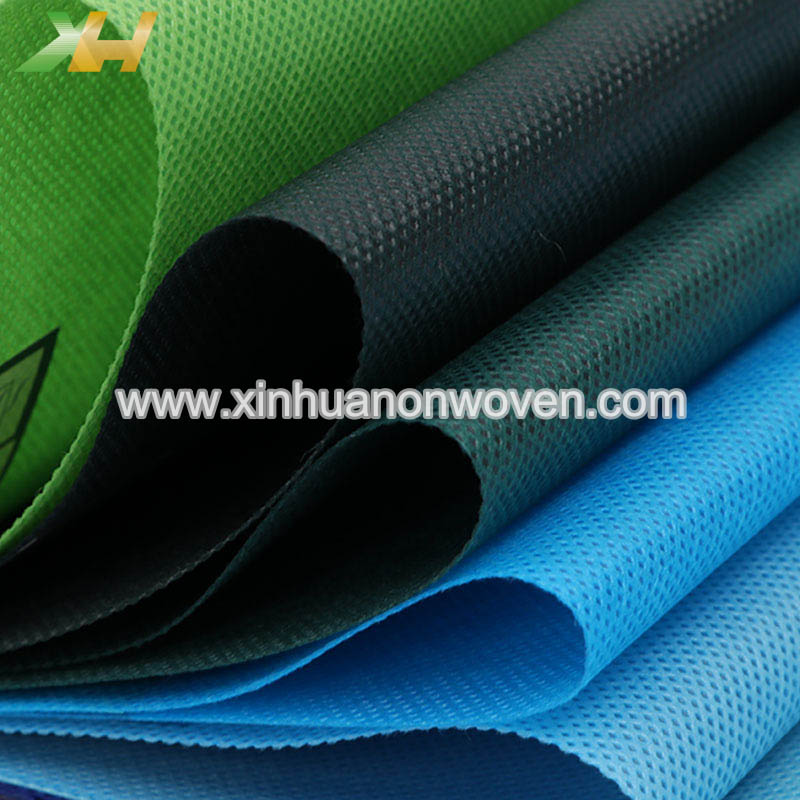
Tecido não tecido spunbond:
Tecido não tecido spunbond É um material têxtil resistente e leve, caracterizado por suas propriedades repelentes a líquidos. Sua produção envolve a extrusão de polímeros fundidos (como o polipropileno) para formar filamentos contínuos, que são então dispostos para criar uma estrutura semelhante a uma teia e, posteriormente, unidos — geralmente por meio de um processo de ligação térmica. Reconhecido por sua durabilidade, custo-benefício e respirabilidade, esse material é muito utilizado em uma ampla gama de aplicações industriais e de consumo.
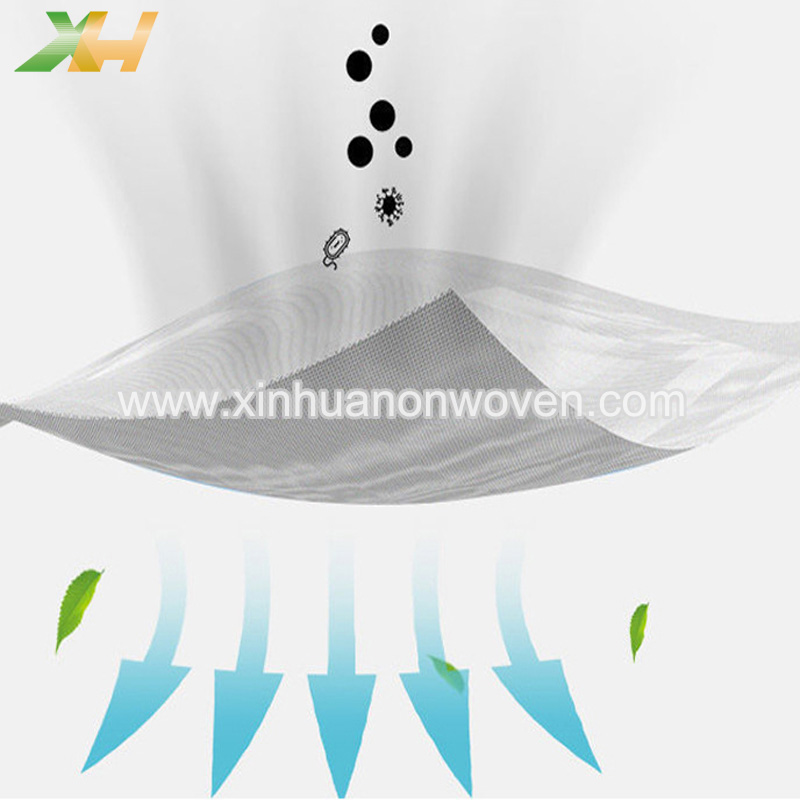
Tecido não tecido Meltblown:
Tecido não tecido meltblown É um material altamente poroso, de fibras ultrafinas, utilizado principalmente como meio filtrante em máscaras médicas, respiradores e sistemas industriais de filtragem de ar/líquido. Seu processo de fabricação envolve a extrusão de polímeros fundidos (como o polipropileno) e o uso de fluxos de ar quente de alta velocidade para atenuá-los (extrair e refinar), criando assim uma barreira densa, semelhante a uma teia, capaz de capturar eficazmente partículas microscópicas.
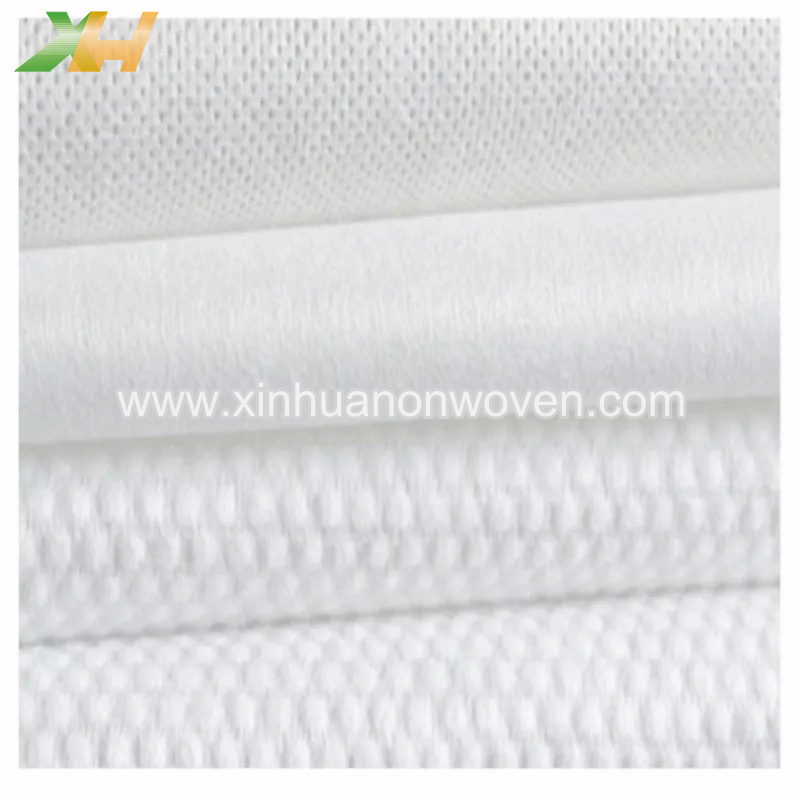
Tecido não tecido spunlace:
Tecido não tecido spunlace É um material versátil, de textura macia e durável, produzido por meio de um processo conhecido como hidroentrelaçamento (ou hidroligação), que utiliza jatos de água de alta pressão para entrelaçar mecanicamente uma rede de fibras. Esse processo de ligação mecânica faz com que as fibras se entrelacem sem a necessidade de ligantes químicos. O tecido não tecido resultante apresenta excelente absorção, boa respirabilidade e não solta fiapos, sendo comumente utilizado em aplicações médicas, de cuidados de beleza e de limpeza industrial.
Tecido não tecido agulhado:
O tecido não tecido agulhado é um material têxtil resistente, semelhante ao feltro, criado através da perfuração mecânica de fibras soltas com milhares de agulhas farpadas, fazendo com que as fibras se entrelacem e se unam. Reconhecido por sua excepcional durabilidade, permeabilidade a fluidos e capacidades superiores de filtração, este material é uma escolha ideal para aplicações em engenharia civil, paisagismo e diversos setores industriais.
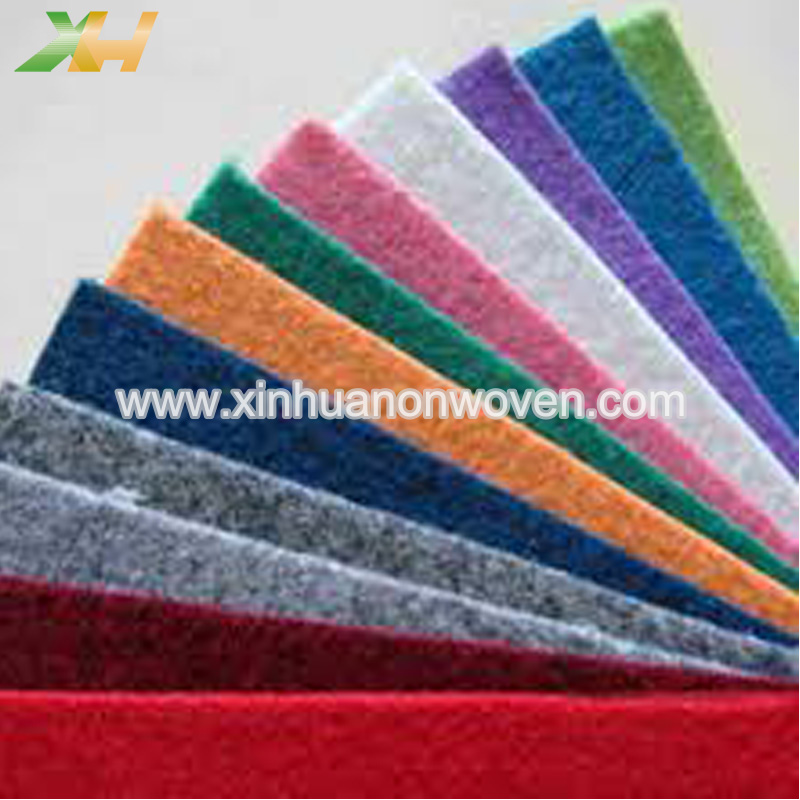
Tecido não tecido costurado:
O tecido não tecido costurado é um material durável, semelhante a um compósito, produzido por meio de um processo de fabricação que utiliza fios contínuos para costurar mecanicamente e reforçar teias de fibras soltas. Comparado aos não tecidos convencionais com ligação química ou térmica, bem como aos não tecidos agulhados, este material reforçado em forma de "grade" demonstra resistência superior ao rasgo, estabilidade dimensional e flexibilidade.
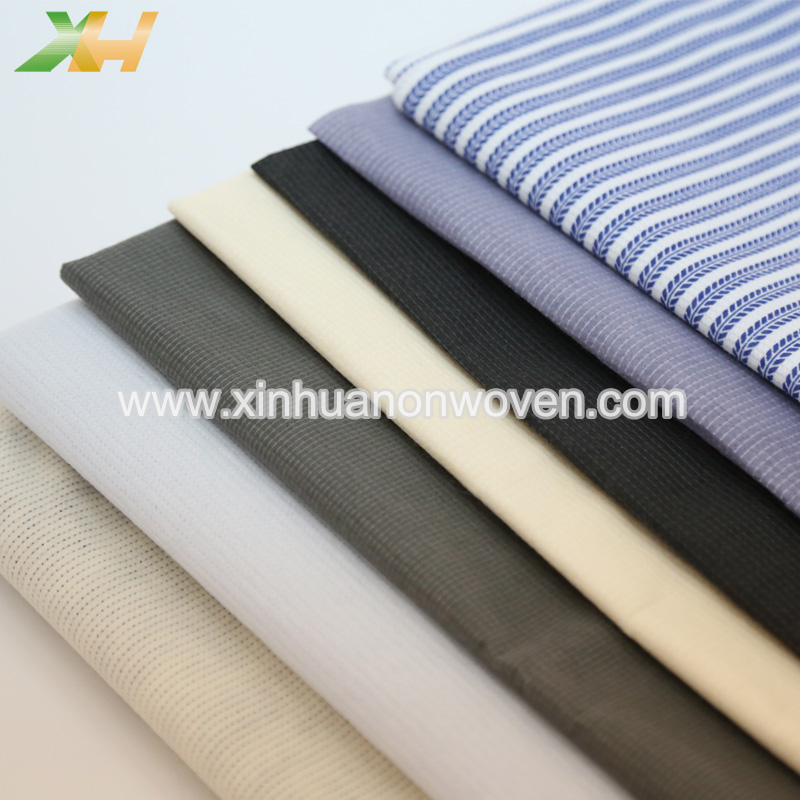
Tecido não tecido com ligação química:
O tecido não tecido com ligação química é um têxtil industrializado produzido pela aplicação de ligantes líquidos — como acrilatos ou resinas — em camadas de fibras soltas. Esse processo funde as fibras em um material estável e durável, valorizado por seu preço acessível, textura macia, conforto ao vestir e propriedades personalizáveis — incluindo absorção e resistência à chama.
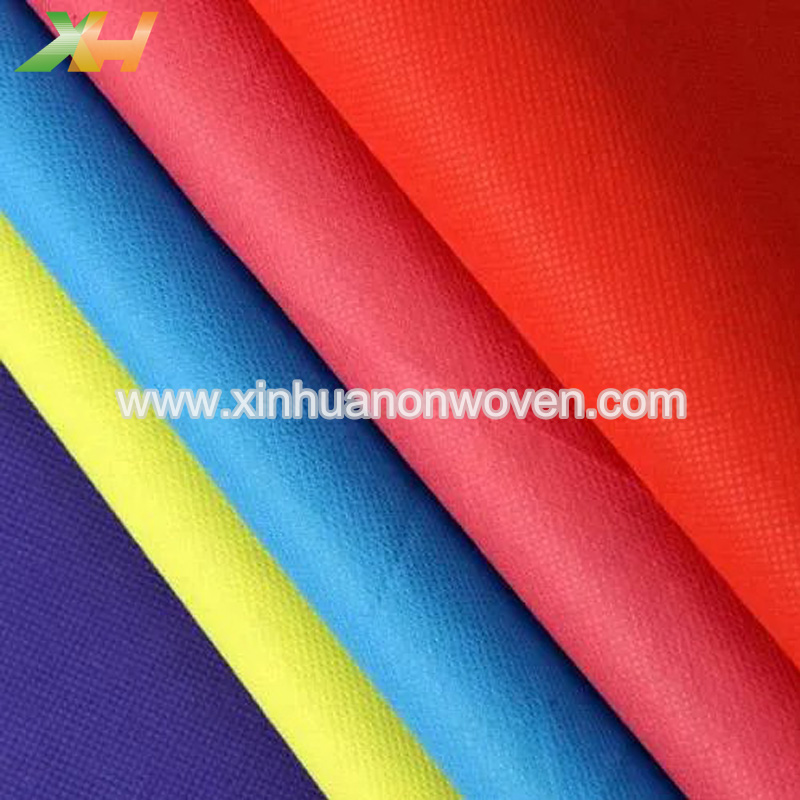
Tecido não tecido termicamente ligado:
O tecido não tecido termicamente ligado é um material macio, leve e econômico, produzido pela aplicação de tratamento térmico em uma manta de fibras termoplásticas (como polipropileno ou poliéster). O processo de aquecimento induz a fusão localizada nos pontos de interseção das fibras, criando assim uma estrutura ligada robusta, respirável e com propriedades ajustáveis, sem a necessidade de ligantes químicos.
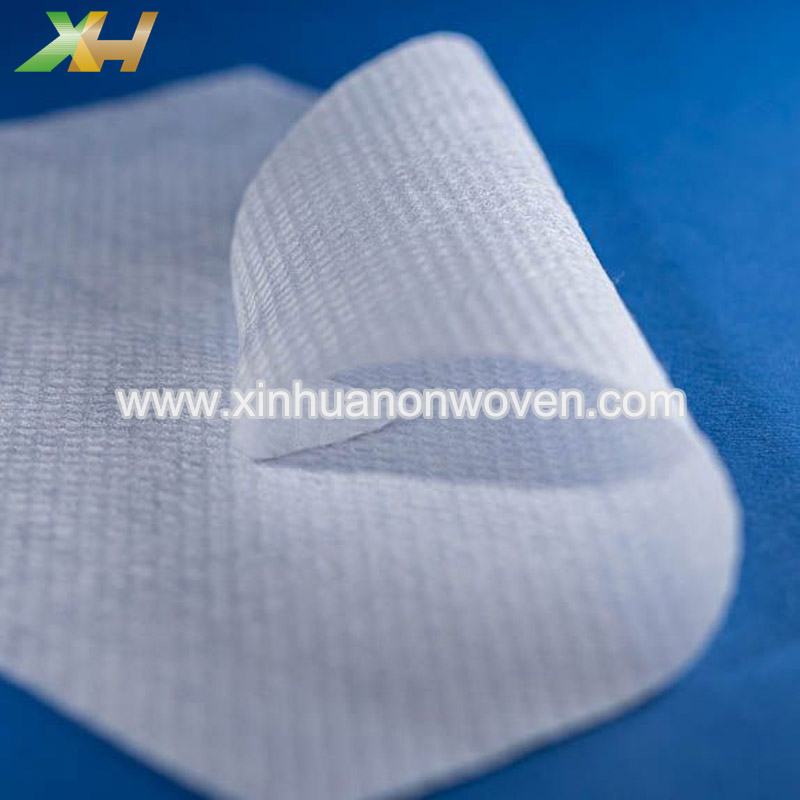
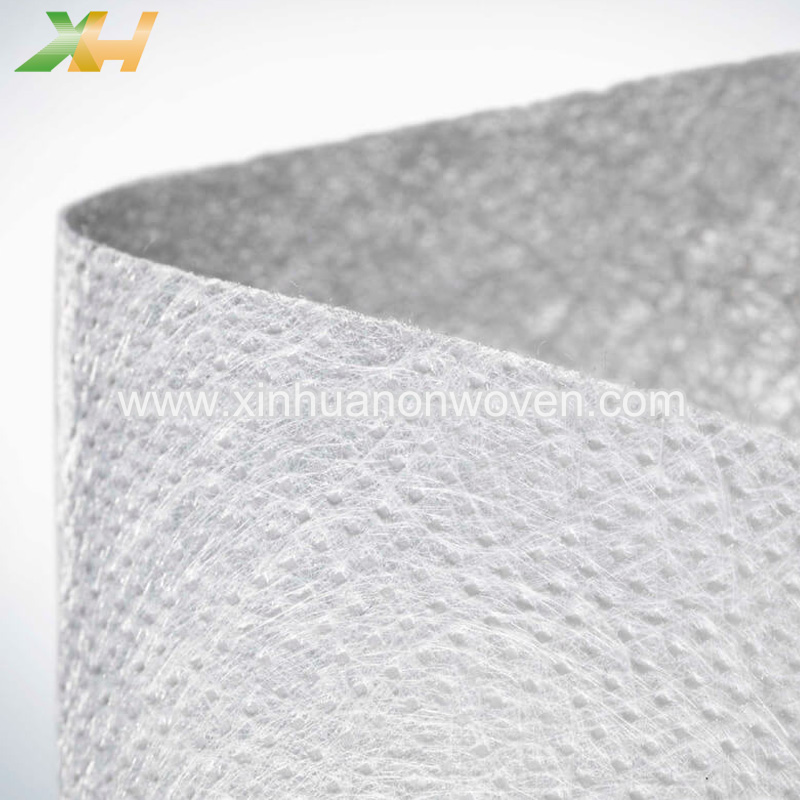
Tecido não tecido moldado por via úmida:
O tecido não tecido por via úmida é um têxtil técnico fabricado por meio de um processo derivado das técnicas tradicionais de fabricação de papel. Fibras naturais, sintéticas ou de vidro picadas são suspensas em água para formar uma pasta; essa pasta é então depositada sobre uma tela móvel, desidratada e aglomerada para, finalmente, formar uma estrutura de manta de fibras altamente uniforme e isotrópica.
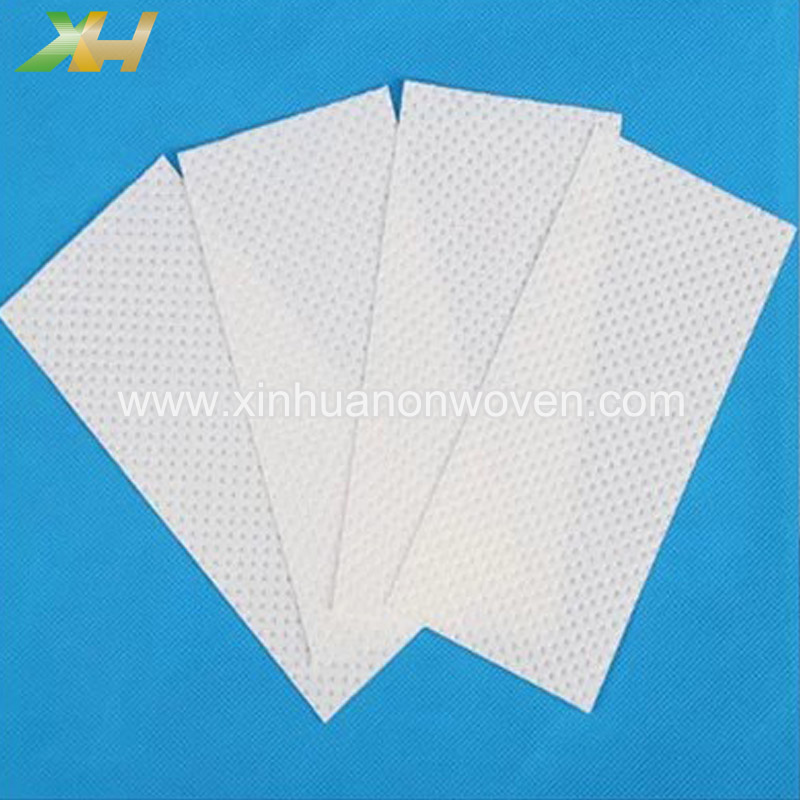
Tecido não tecido moldado por ar:
O tecido não tecido air-laid é um material altamente absorvente e de textura macia, composto principalmente de polpa de madeira e/ou fibras sintéticas. Ao contrário do papel ou dos têxteis tradicionais produzidos por via úmida, a estrutura única deste material é formada pela dispersão e ligação das fibras através de um fluxo de ar de alta velocidade. É amplamente utilizado em áreas como produtos de higiene descartáveis, suprimentos médicos e materiais de embalagem.
Por favor, continue lendo, fique por dentro das novidades, inscreva-se e fique à vontade para nos dizer o que você pensa.
Direitos autorais
@ 2026 Xinhua Textile Co., Limitada Todos os direitos reservados
. SUPORTADO POR REDE
Hi! Click one of our members below to chat on
 Português
  English
 Français
 Deutsch
 Русский
 Italiano
 Español
 عربي
عربي Indonesia
 עִברִית